
The hidden motivations driving the psychology of gambling
Understanding the Allure of Gambling
The psychology behind gambling is rooted in a complex interplay of human emotions, desires, and cognitive biases. One of the most significant motivations for gamblers is the thrill of risk-taking. Engaging in gambling often provides an adrenaline rush that can be incredibly appealing. Players may feel a heightened sense of excitement as they place their bets, hoping for a favorable outcome. This thrill-seeking behavior is deeply embedded in human nature and can drive individuals to pursue gambling as a form of entertainment, escape, or even a way to cope with stress. For those interested in exploring enticing platforms, https://rainbet-canada.co offers engaging experiences tailored for Canadian players.

Moreover, the potential for financial gain serves as a powerful motivator. Many people are attracted to the possibility of winning large sums of money with relatively small investments. This allure is particularly strong in games of chance like slots and lotteries, where players often believe that they have a higher likelihood of winning than they actually do. This misperception can lead to repeated play, as gamblers chase their perceived opportunities for wealth, reinforcing their commitment to gambling activities.
Lastly, the social aspect of gambling should not be overlooked. Many people enjoy the communal environment of casinos or online platforms where they can interact with others. This social interaction can create a sense of belonging and community, further enhancing the appeal of gambling. Whether it’s sharing strategies or celebrating wins, the social dynamics at play can amplify the emotional highs and lows of gambling, making it a deeply engaging experience for many participants.
The Role of Cognitive Biases
Cognitive biases significantly influence gambling behavior, often leading players to make irrational decisions. One common bias is the illusion of control, where gamblers believe they can influence the outcome of random games. For instance, a player may feel that their strategy or skill can sway the results in their favor, particularly in games like poker. This belief can create an inflated sense of confidence that encourages continued play, despite the inherent randomness involved.
Another prevalent bias is the gambler’s fallacy, where individuals believe that past outcomes affect future events in games of chance. For example, a player might assume that if a slot machine hasn’t paid out recently, it is “due” for a win. This misunderstanding of probability can lead to significant losses as players continue to wager based on flawed reasoning. These cognitive distortions can perpetuate gambling habits, making it difficult for individuals to recognize when their behavior becomes problematic.
Additionally, confirmation bias plays a role as gamblers tend to focus on their wins while ignoring their losses. This selective memory reinforces their belief in their luck or skill, fueling their motivation to continue gambling. The psychological mechanisms at play can create a cycle of behavior that is challenging to break, as players often rationalize their decisions and maintain a hopeful outlook on future wins.
The Emotional Underpinnings of Gambling Addiction
The emotional state of an individual can significantly impact their likelihood of engaging in gambling. Many people turn to gambling as a means of escaping negative feelings or stressors in their lives. The highs and lows associated with gambling can offer a temporary reprieve from reality, allowing individuals to immerse themselves in the game and forget their problems. Unfortunately, this reliance on gambling for emotional relief can lead to addiction, as the cycle of seeking pleasure becomes intertwined with the avoidance of pain.
Moreover, the feelings of excitement and euphoria that come with winning can become addictive in themselves. This emotional rollercoaster can lead to a compulsion to gamble, as players chase that next high. Over time, the negative consequences of gambling, such as financial difficulties and strained relationships, may create additional emotional distress, prompting individuals to gamble even more in a misguided attempt to regain control over their feelings.
Recognizing the emotional factors contributing to gambling behavior is crucial for those seeking help. Understanding that gambling may be a coping mechanism can aid individuals in addressing the root causes of their behavior. Therapy and support groups can provide valuable tools for managing emotions without resorting to gambling, allowing individuals to regain a sense of balance and well-being in their lives.
Exploring Popular Games and Their Psychological Effects
Different gambling games carry distinct psychological effects that can influence player behavior. For example, slot machines are designed to maximize engagement and excitement. With bright lights, enticing sounds, and frequent small wins, they create an environment where players become enthralled. This sensory overload can lead to prolonged play and increased spending as players are drawn into the game’s immersive experience.
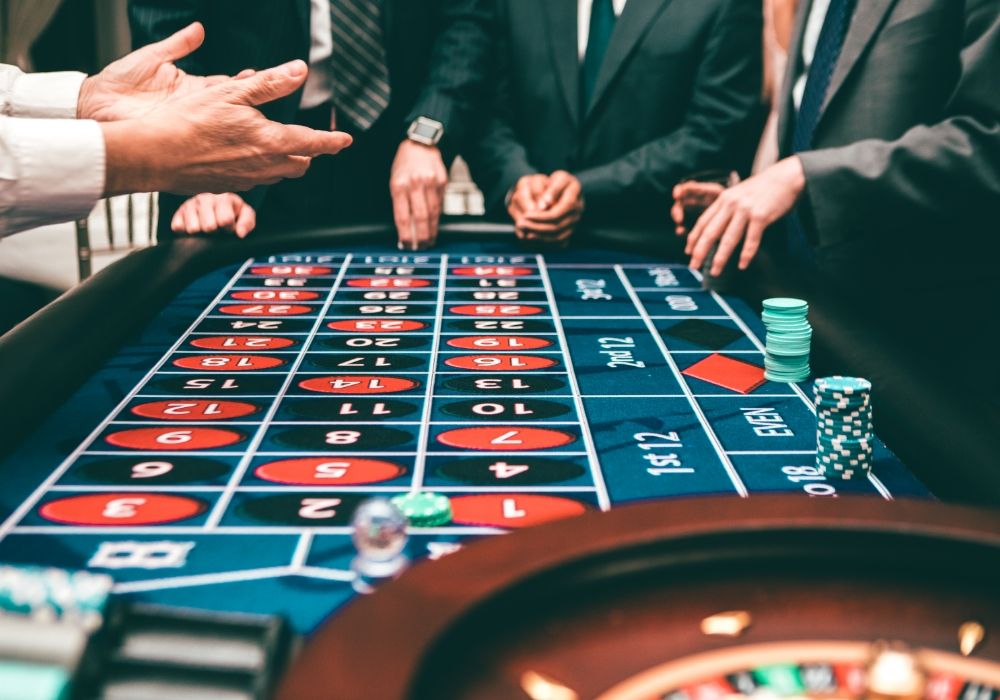
Table games like blackjack and poker introduce an element of strategy and skill, attracting players who enjoy competition and tactical thinking. The social aspect of these games can also heighten excitement, as players engage with one another. The psychological dynamics in these games can be fascinating; players may feel a sense of achievement or pride when they make strategic decisions, reinforcing their desire to continue playing.
Live dealer games have emerged as a popular option in online gambling, providing players with a more immersive experience. By combining the convenience of online play with the interaction of live dealers, these games tap into the social motivations behind gambling. The visual and emotional engagement offered by live interactions can intensify the psychological connection players feel to the game, making them more likely to invest time and money into their gambling activities.
Rainbet: A Case Study in Online Gambling Psychology
Rainbet Canada exemplifies the blend of gaming options and psychological strategies that attract players. With over 6,500 games, including slots and live dealer experiences, the platform caters to a broad audience seeking varied forms of entertainment. The diverse offerings provide something for everyone, appealing to different psychological motivations—whether it be the thrill of chance or the social interaction of live gaming.
The platform also implements features such as a 20% rakeback bonus, incentivizing continued play and reinforcing positive reinforcement psychology. By rewarding players for their engagement, Rainbet successfully creates a cycle where users feel valued and are more likely to return for more gaming experiences. This approach not only enhances player satisfaction but also cultivates loyalty to the platform.
Furthermore, the emphasis on security and fairness in gaming contributes to a sense of trust among users. As players navigate their experiences, the assurance of a legal and safe environment allows them to focus on the entertainment aspect of gambling rather than concerns over the integrity of the platform. This focus on player welfare fosters a positive psychological environment, encouraging responsible gaming while still delivering the excitement that draws people in.